



Published December 23, 2025
In 2025, London, Tokyo and Paris will continue to be at the forefront of global tourism, attracting millions of tourists from all over the world. These iconic cities maintain their top spot due to their rich cultural heritage, world-class tourist attractions, and strong infrastructure that caters to both leisure and business travelers. London benefits from its historic buildings and dynamic business environment, Tokyo captivates with its blend of modernity and tradition, and Paris remains beloved for its timeless charm. Meanwhile, emerging destinations such as Punta Cana and Marrakech are experiencing significant growth due to their appeal as year-round vacation spots, vibrant local culture and expanding international routes, demonstrating a global shift in travel tastes. This mix of established and emerging destinations highlights the diverse dynamics that will shape the travel industry in 2025.
Global travel trends in 2025: Stability and growth across major markets
Demand for both leisure and business travel will remain stable in 2025, with key regions and destinations continuing to show resilience and growth, according to a comprehensive analysis by ForwardKeys, a leading provider of global airline reservations data. This insight, based on international travel patterns, shows that while the global tourism industry faces challenges, demand continues to be strong in major cities and regions.
Popular destinations in 2025: Consistent popularity of global hubs
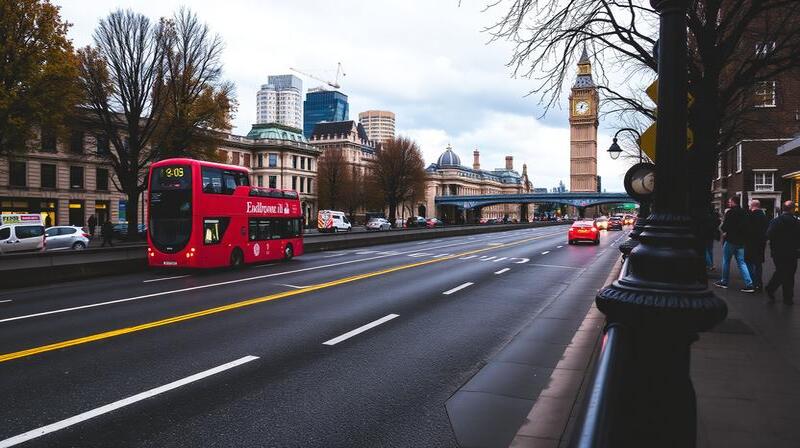
London will maintain its position as the world’s most visited destination in 2025 and remain the world’s leading city for tourists. The city benefits from an established reputation as a business and cultural center. Tokyo followed closely, with a notable increase in visitor numbers of +2.3%, demonstrating Japan’s recovery and continued attractiveness. Meanwhile, Paris rose to third place with an increase of +2.0%, underscoring the city’s continued appeal to leisure and business travelers alike.
These changes highlight the stability of metropolises in global tourism, where a combination of business events, tourism and cultural attractions continues to drive visitor numbers. ForwardKeys analysis suggests that demand for established international destinations remains stable, with a significant portion of travelers returning to or visiting these iconic cities.
Rising stars: Madrid and Alicante lead the growth group
In terms of growth, Madrid and Alicante stand out as the top performers, each recording a significant increase in visitor numbers of +10% year-on-year. Madrid’s strong international appeal is driven by its vibrant cultural scene and its status as Europe’s leading business centre. Similarly, Alicante’s growth signals a growing interest in Spain’s coastal regions, further cementing Alicante’s position as a top destination for sun-seeking travelers.
Punta Cana in the Dominican Republic also saw a notable increase of +9%, confirming the growing popularity of long-distance leisure destinations. Dubai and Marrakech closely followed, each posting 8% growth. From luxury experiences to lifestyle tourism, these cities’ offerings remain in high demand, demonstrating the continued appeal of destinations that offer unique city break experiences.
Asia-Pacific: North Asia’s impressive recovery
The Asia-Pacific (APAC) region showed a significant recovery, mainly in North Asia. Okinawa’s tourism sector grew by an impressive +36%, reflecting the return of the Japanese archipelago’s appeal. Beijing and Shanghai also followed with growth rates of +29% and +27%, respectively, demonstrating the continued recovery of China’s global tourism industry. Guangzhou also experienced strong growth of +26%, illustrating the broader trend of increasing demand for mainland Chinese cities as key international travel hubs. This increase was primarily due to a resurgence in both outbound and inbound tourism in China following the easing of travel restrictions.
Business travel: Shanghai and Tokyo lead the way
The business travel sector is showing positive signs of recovery in 2025, with Shanghai emerging as the fastest growing destination for international business travelers, with demand increasing by +10%. Already a strong player in the business travel market, Tokyo further strengthened its position with an increase of +9%. Madrid is expected to grow by +5% compared to 2024, maintaining its 2.2% share of global business travel and maintaining its position as a top business destination.
These figures highlight Asia’s continued strength as a major player in business tourism, with cities such as Shanghai and Tokyo leading the way in hosting major corporate events, conferences and international conferences.
Market insights and future prospects
ForwardKeys research shows that 2025 will see stable demand for international air travel, with a focus on established global hubs and high-growth leisure destinations. The data also confirms the strong recovery in Asia-Pacific, with North Asia showing the strongest recovery. As the global aviation industry continues to adjust, Europe and Asia remain key regions driving growth in both leisure and business tourism. Cities such as London, Tokyo and Madrid continue to account for the majority of tourists, while emerging destinations such as Alicante and Punta Cana are establishing themselves as mainstays in the global tourism market.
As we move further into 2025, business travel will continue to recover and global demand for city breaks and long-distance vacations will continue, driven by strong demand for cultural, business and luxury experiences.
Conclusion:
In conclusion, 2025 will be a year in which the global tourism industry demonstrates continued growth and resilience, with iconic cities such as London, Tokyo and Paris maintaining their positions as top destinations for travelers around the world. These cities continue to steadily attract both tourists and business travelers, cementing their status as major global hubs. Meanwhile, emerging destinations such as Dubai, Punta Cana and Marrakech are experiencing impressive growth due to improved connectivity, new tourist attractions and a growing desire for unique travel experiences. This trend highlights the dynamic nature of the global tourism market, with established destinations and emerging cities alike contributing to a strong recovery and evolving travel preferences. As travel demand stabilizes, the diversification of global tourism and the rise of lesser-known destinations are reshaping the future of the industry, making 2025 a pivotal year in the world of international travel.

