



Once the holidays end, the cold winter weather sets in for many. Colder weather, shorter days, and a return to normalcy will take a toll, sending travelers seeking brighter light. That’s why Beach.com’s latest research, announcing the world’s top beach destinations for 2026, couldn’t come at a better time. The Caribbean took the top spot in 2026, beating out the 2025 winner, America’s East Coast beaches, including Cape Cod and the Outer Banks. The digital platform surveyed more than 1,000 people and found that 70% of Americans are planning a beach vacation in 2026 (compared to 47% who actually took a vacation in 2025). Of those, 35% named the Caribbean as their top destination, with the US East and West Coasts ranking second and third, respectively.
Several factors may be driving demand for sunny areas, including improved access. With airlines increasing their nonstop flights, American travelers now have easy access to the Caribbean’s traditional warm-weather beaches. Our destinations range from vibrant cultural hubs like Antigua to quiet, natural spots like St. John, the smallest, greenest and most protected paradise in the Virgin Islands. Despite continuing concerns about a recession, Beach.com found that most Americans plan to spend more on vacation and travel than they did in 2025 and are turning to social media more than ever for destination inspiration.
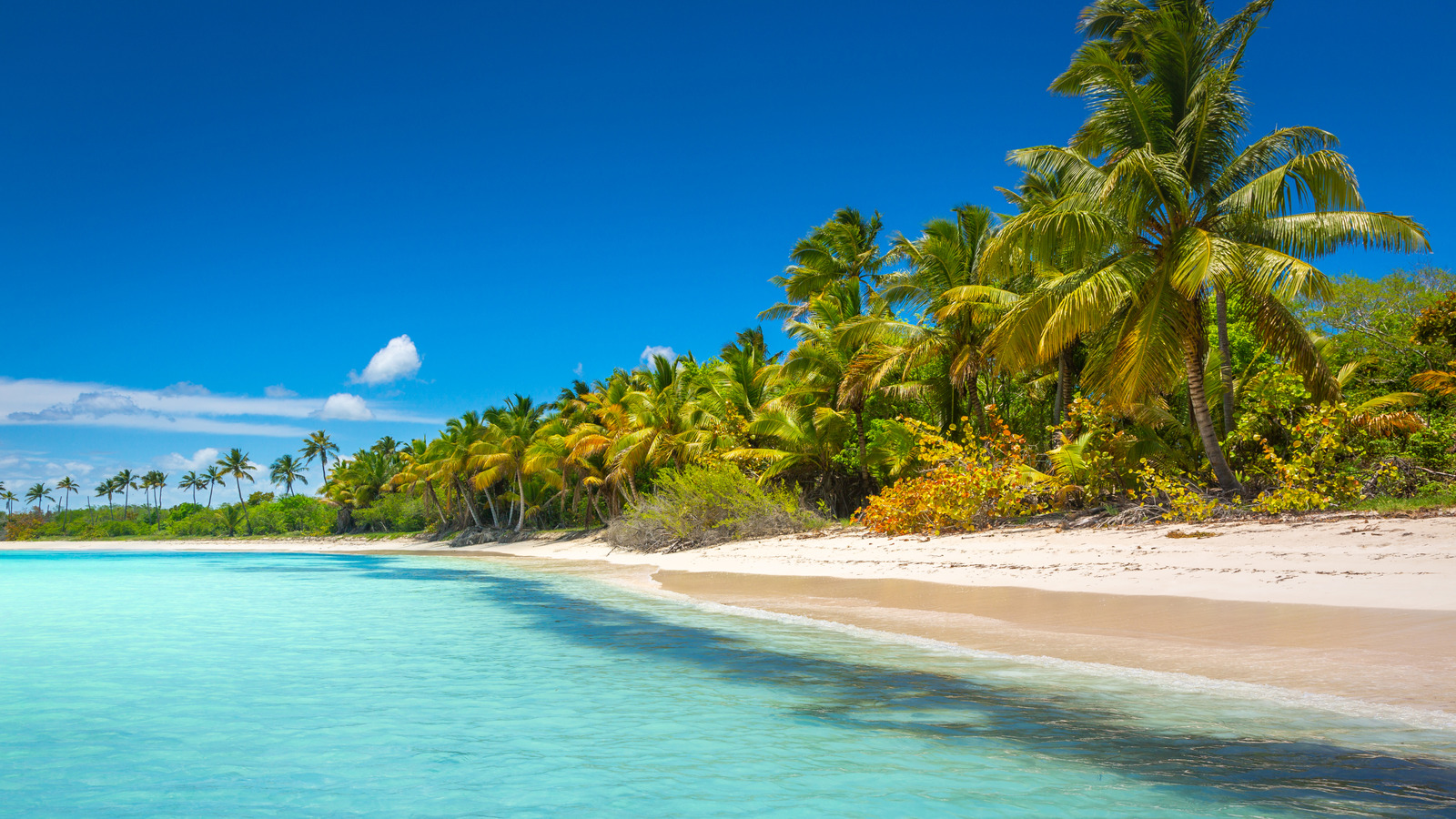
The Caribbean Sea is vast and is generally defined as an archipelago of thousands of islands and islets spanning multiple countries between North and South America. From the lively swim-up taco bars of St. Thomas in the U.S. Virgin Islands to the uncrowded cays of the Bahamas to the secluded luxury Sugar Beach resorts of St. Lucia, the region offers sunny days, turquoise waters, sandy beaches and a destination to suit almost every travel style.
Why the Caribbean will be a trending destination in 2026

Emmanuel Ortiz Rolon/Getty Images
Beyond the obvious attractions of a warm climate, sparkling waters, and luxury resorts, the Caribbean is resonating with a new generation of travelers who prioritize culture, accessibility, and ease. One unexpected factor is what some industry experts have dubbed the “Bad Bunny effect.” In 2025, the Grammy-winning Puerto Rican artist began a three-month residency in San Juan. The event is estimated to have generated between $250 million and $400 million for the local economy. This stay helped reimagine Puerto Rico as not just a beach destination but a cultural center, introducing a new generation of travelers to the island’s music, food, and identity. Even before 2025, Bad Bunny promoted a more authentic Caribbean experience by spotlighting his hometown through off-the-beaten-path restaurant and destination recommendations published by Condé Nast Traveler.
Improving accessibility also plays a big role. Airlines are expanding nonstop flights from major U.S. cities to a growing number of Caribbean destinations, making travel faster and more affordable. At the same time, new resort openings such as Sandals St. Vincent and the Grenadines, which opened in 2024, are attracting travelers looking for elevated all-inclusive vacations. Cruise lines are also expanding their Caribbean itineraries, reporting record numbers of travelers seeking an easy, relaxing vacation in familiar Caribbean waters. The Caribbean’s visa-friendly policies and islands such as Puerto Rico and the U.S. Virgin Islands, which do not require a U.S. passport to travel, lower barriers to entry and make last-minute travel more achievable.
After all, the Caribbean’s popularity reflects a major shift in the way people travel. As burnout increases and schedules become increasingly demanding, travelers gravitate toward destinations that promise tranquility, simplicity, and restoration. With its balance of comfort and culture, the Caribbean is perfectly positioned to meet that moment.
